Going to See: Lessons from the Kitchen
Going to See: Lessons from the Kitchen
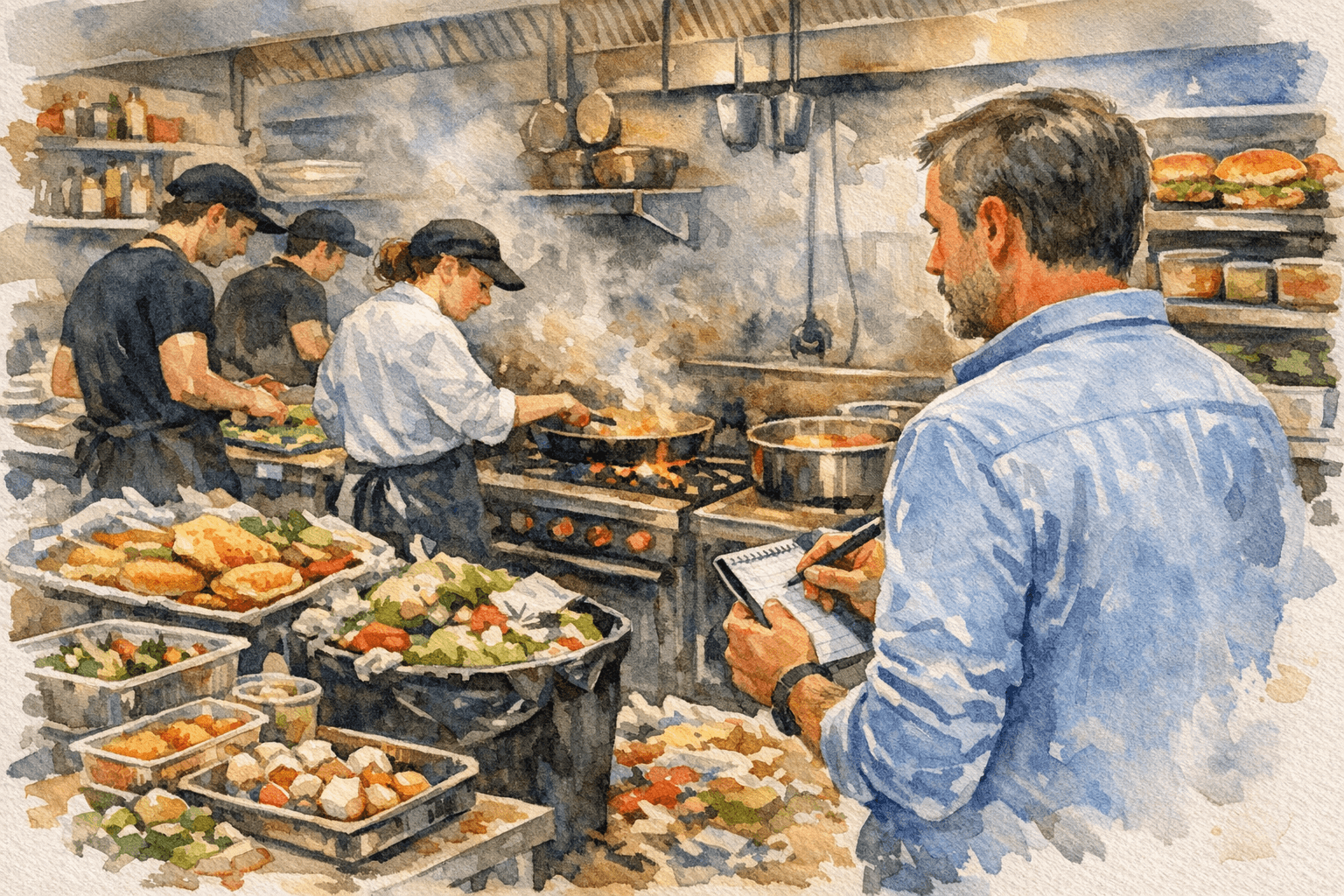
When the chef left, the restaurant owner stepped into unfamiliar territory: the kitchen. What he discovered wasn't a crisis of competence but a gap in visibility. For years, numbers had told one story while the daily rhythm of the kitchen told another. The lesson is universal: when data and lived experience diverge, it's time to go and see. I wanted to break this real event down further to show what lessons we take from the "shopfloor". There are a number of lessons here that I would like to share.
When the Numbers and the Story Don't Match
Rising costs and shrinking margins had been dismissed as the price of doing business. The kitchen looked busy, pans were sizzling, and fridges were full; signs of productivity, one might think, or is it? But activity is not the same as value. Visual busyness can mask systemic waste. Lean thinking begins here: challenge assumptions and verify what's really happening. This takes us back to one of the fundamental wastes - Over Production!
Thrown into the Gemba
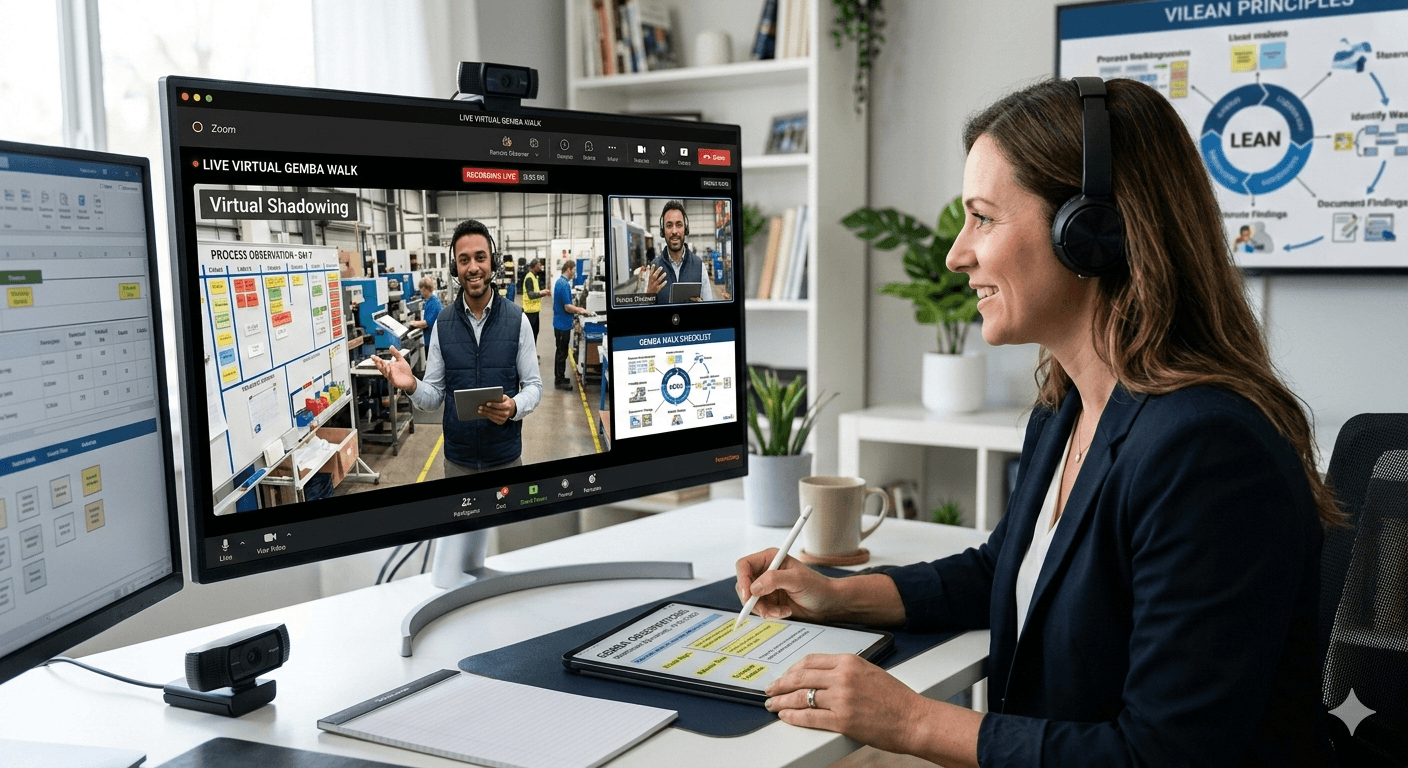
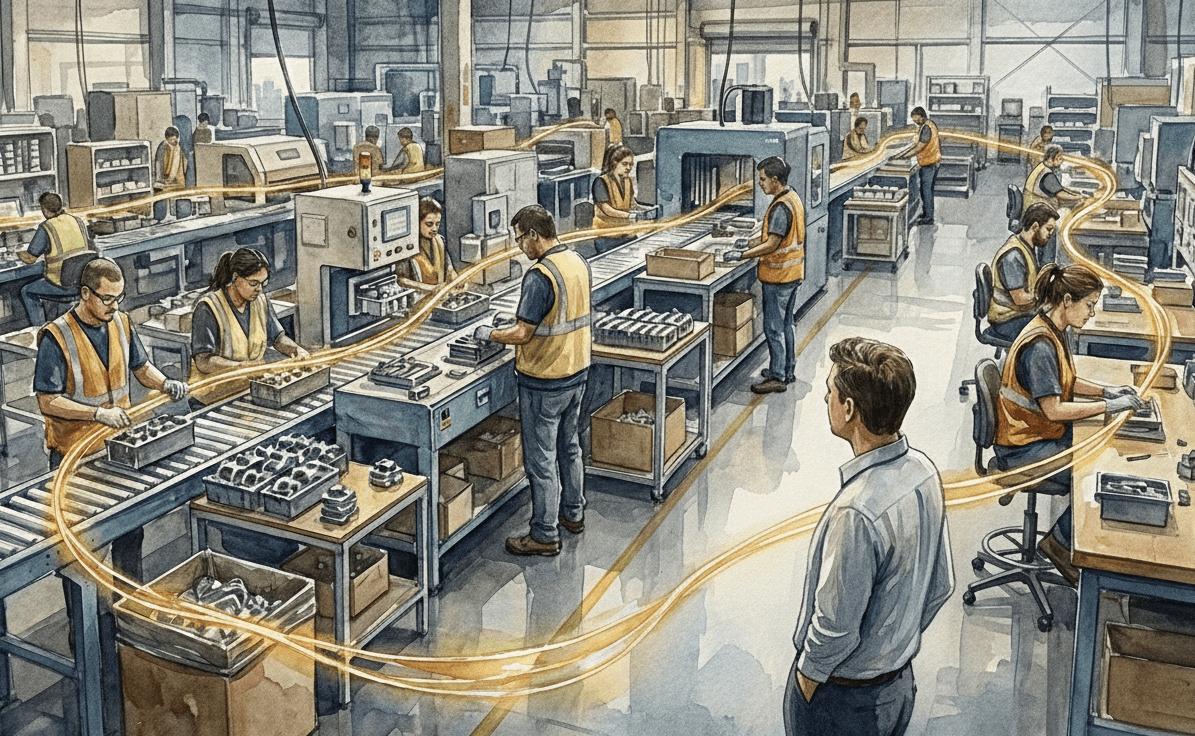
The turning point came when the owner entered the kitchen himself. Observation replaced delegation. Reports gave way to presence. In Lean terms, this was a Gemba walk - leadership stepping into the place where value is created. True understanding doesn't come from dashboards; it comes from standing beside the people doing the work.
"That's Interesting..."
Instead of demanding answers, he asked questions shaped by curiosity. "Why are the burners left on?" "Why are these buns exposed?" That tone changed everything. Curiosity builds trust; judgement shuts learning down. This is Respect for People in action. A humble inquiry that invites collaboration rather than defensiveness. Refer to the article on How to do a Gemba Walk.
What Going to See Revealed
From proximity came insight. Waste wasn't hidden in spreadsheets; it was sitting in plain sight: unused prep, overheated stoves, spoiled ingredients. Waste is often invisible from a distance. Seeing the system firsthand revealed how habits, not demand, were driving inefficiency.
One Month Later
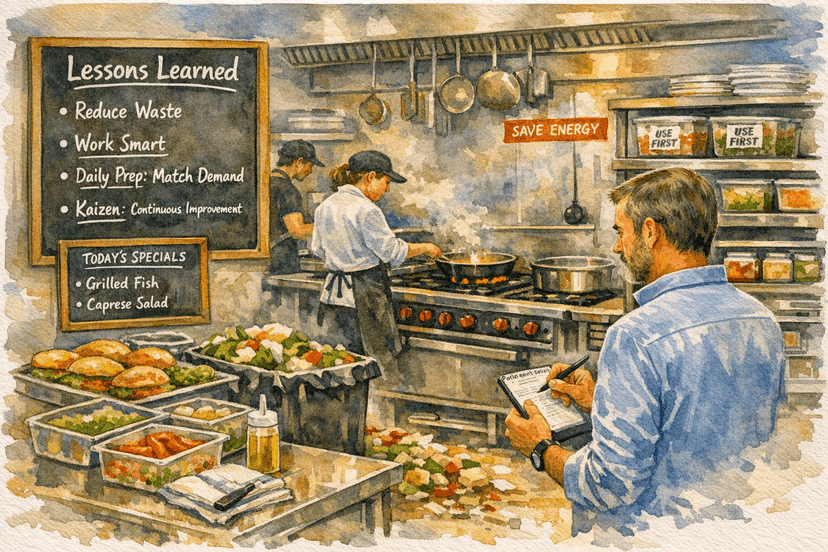
Without new targets or pressure, the kitchen transformed. Gas bills halved, food waste dropped by 80%, and morale lifted. Improvement followed understanding, not enforcement. This is Kaizen - continuous improvement born from insight rather than instruction.
Curiosity Instead of Judgement
The changes weren't imposed; they were co‑created. The team closest to the work redesigned their own routines. Lean reminds us that those who do the work hold the best insight. Engagement isn't a soft skill - it's a performance driver.
Lean Without the Labels
No one used Lean jargon. Yet the principles emerged naturally: observation, respect, flow, and learning. Lean is a mindset before it is a methodology. Tools follow thinking, not the other way around.
The Lesson for Leaders
Trust had replaced visibility. But trust and verification are not opposites. Leadership presence - Leader Standard Work - means balancing confidence in people with direct connection to the work. Seeing clearly is the first step to improvement.
Before You Fix, Go See
Every meaningful change began with observation. The kitchen story reminds us that improvement doesn't start with answers; it starts with seeing. Gemba isn't about catching mistakes - it's about closing the gap between perception and truth.
At the Gemba.